
Cart
0
your cart

No items found.
Product is not available in this quantity.

Kazakhstan is accelerating road modernization to improve transportation efficiency, strengthen regional connections, and support economic development. From highways connecting major cities to local roads serving industrial areas, many contractors are facing the same challenge: how can they produce high-quality asphalt mixtures consistently while controlling project costs and construction schedules?
For medium and large road upgrading projects, a 120 TPH asphalt batch plant is becoming an attractive solution. It provides a balanced production capacity between flexibility and efficiency. However, choosing the right asphalt plant requires more than looking at output numbers. Contractors need to consider project size, daily asphalt demand, material quality requirements, climate conditions, transportation distance, and long-term operating costs.
So, is a 120 TPH asphalt batch plant for sale suitable for road modernization projects in Kazakhstan? The answer depends on the specific construction conditions. In many cases, this capacity can provide the reliable asphalt production needed for urban road rehabilitation, highway improvement, airport expansion, and industrial infrastructure projects.
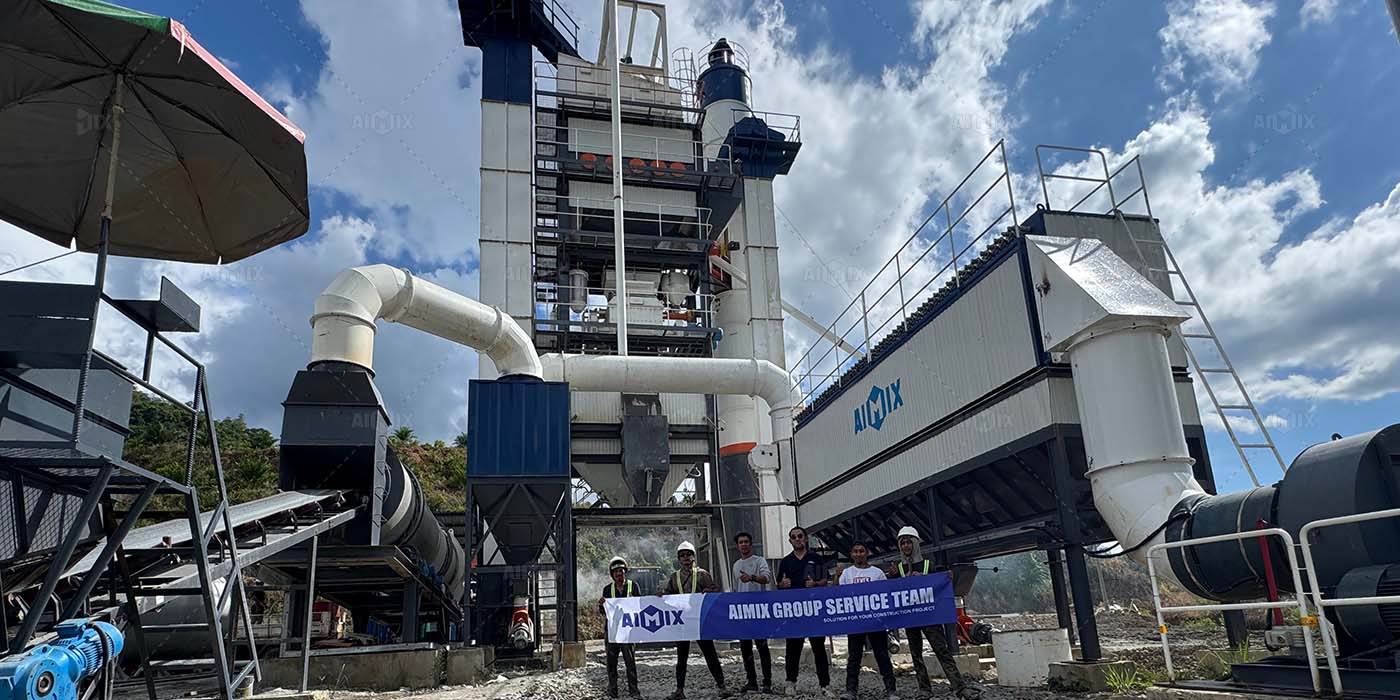
Before selecting asphalt equipment, contractors need to understand the real challenges of Kazakhstan’s road construction environment. The country has a large territory, diverse climate conditions, and increasing demand for stronger transportation networks.
Kazakhstan experiences extremely cold winters and significant temperature changes between seasons. Therefore, road surfaces must withstand freeze-thaw cycles, heavy vehicle loads, and long-term traffic pressure. High-quality asphalt mixtures become essential for improving road durability and reducing frequent maintenance.
At the same time, many modernization projects involve upgrading existing roads instead of building completely new routes. Contractors often need stable asphalt supply near the construction site to maintain continuous paving operations. Delays caused by insufficient asphalt production can increase labor costs, equipment idle time, and overall project expenses.
Therefore, an asphalt batch plant with suitable capacity plays an important role. It helps contractors maintain consistent mixture quality and match the production requirements of different road projects.
A 120 TPH asphalt batch plant provides a production level that fits many Kazakhstan road modernization scenarios. It is not the smallest solution for simple repair work, and it is not an oversized investment for medium-scale projects. Instead, it offers a practical balance between output, investment, and operational flexibility.
For example, a plant producing 120 tons of asphalt mixture per hour can theoretically produce around 960 tons during an 8-hour working day. Actual production depends on factors such as aggregate supply, weather conditions, maintenance schedules, and transportation efficiency.
Moreover, batch type asphalt plants provide precise control over mixture production. This feature is especially important for Kazakhstan projects where contractors need different asphalt formulas for base layers, binder layers, and surface layers.
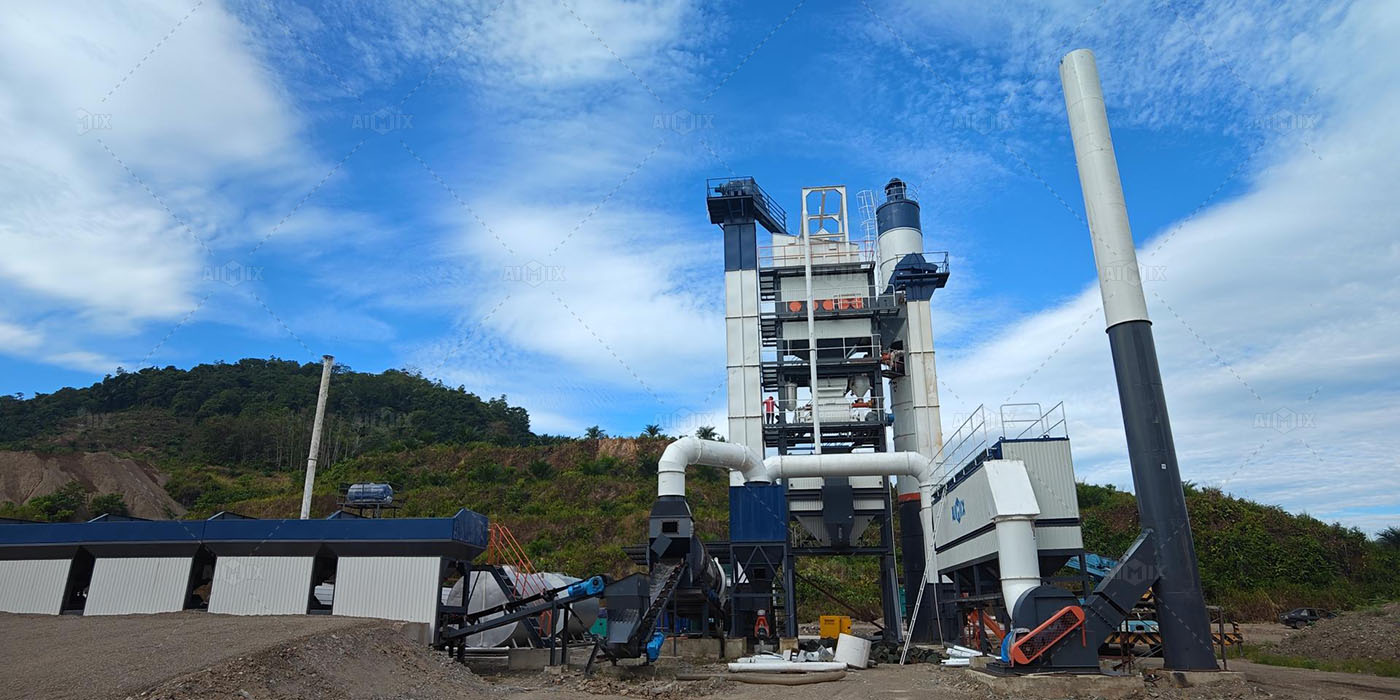
Different road projects have different production requirements. Fortunately, a 120 TPH asphalt batch plant can adapt to many construction environments when properly planned.
Many cities in Kazakhstan are improving old urban roads, intersections, and municipal transportation networks. These projects usually require reliable asphalt supply but do not always need extremely large production capacity.
A 120 TPH asphalt batch plant can provide enough output for daily paving operations while allowing contractors to maintain better control over mixture quality. Furthermore, the batch production process helps produce consistent asphalt for different road sections.
For urban projects, transportation distance is also important. Setting up an asphalt plant closer to the construction area can reduce truck waiting time and minimize asphalt temperature loss during delivery.
Kazakhstan continues to improve transportation links between cities and regions. Highway modernization projects often require large quantities of asphalt within limited construction seasons.
A 120 TPH asphalt batch plant can support these projects when contractors organize production and paving schedules efficiently. For example, the plant can supply asphalt continuously for road sections that require several hundred meters of paving per day.
However, contractors should evaluate the total project volume before purchasing equipment. If a highway project requires thousands of tons of asphalt every day, a higher-capacity plant or additional production lines may become a better choice.
Kazakhstan has important mining and industrial sectors. Many companies require strong access roads for transporting heavy equipment and materials.
These roads often face high axle loads and harsh operating conditions. Therefore, asphalt quality directly affects maintenance frequency and transportation efficiency.
A 120 TPH asphalt batch plant can provide stable asphalt production for industrial road projects, especially when the project requires customized asphalt mixtures and reliable supply throughout the construction period.
Although production capacity is important, contractors should evaluate several other factors before making a final decision. A suitable asphalt plant should match the entire project workflow, not only the hourly output.
First, calculate the total asphalt demand. Contractors should estimate daily paving volume, working hours, and project duration. A 120 TPH plant works well for many medium-scale projects, but accurate calculation prevents production shortages or unnecessary investment.
Secondly, local material conditions influence plant performance. Kazakhstan has abundant natural resources, but aggregate transportation distances can vary greatly between regions.
A well-designed asphalt plant should work efficiently with local aggregates. Features such as accurate cold aggregate feeding, efficient drying systems, and reliable screening systems help maintain stable production.
Because Kazakhstan has cold winters, equipment reliability in low temperatures is important. Contractors should consider insulation, heating systems, fuel efficiency, and maintenance requirements.
In addition, stable burner performance helps maintain proper asphalt production temperatures even when environmental conditions change.
The purchase price is only one part of the investment. Contractors should also consider fuel consumption, electricity usage, spare parts availability, and technical support.
An asphalt plant for sale with efficient components may reduce operating expenses over years of operation. Therefore, lifecycle cost analysis is more valuable than focusing only on initial equipment cost.
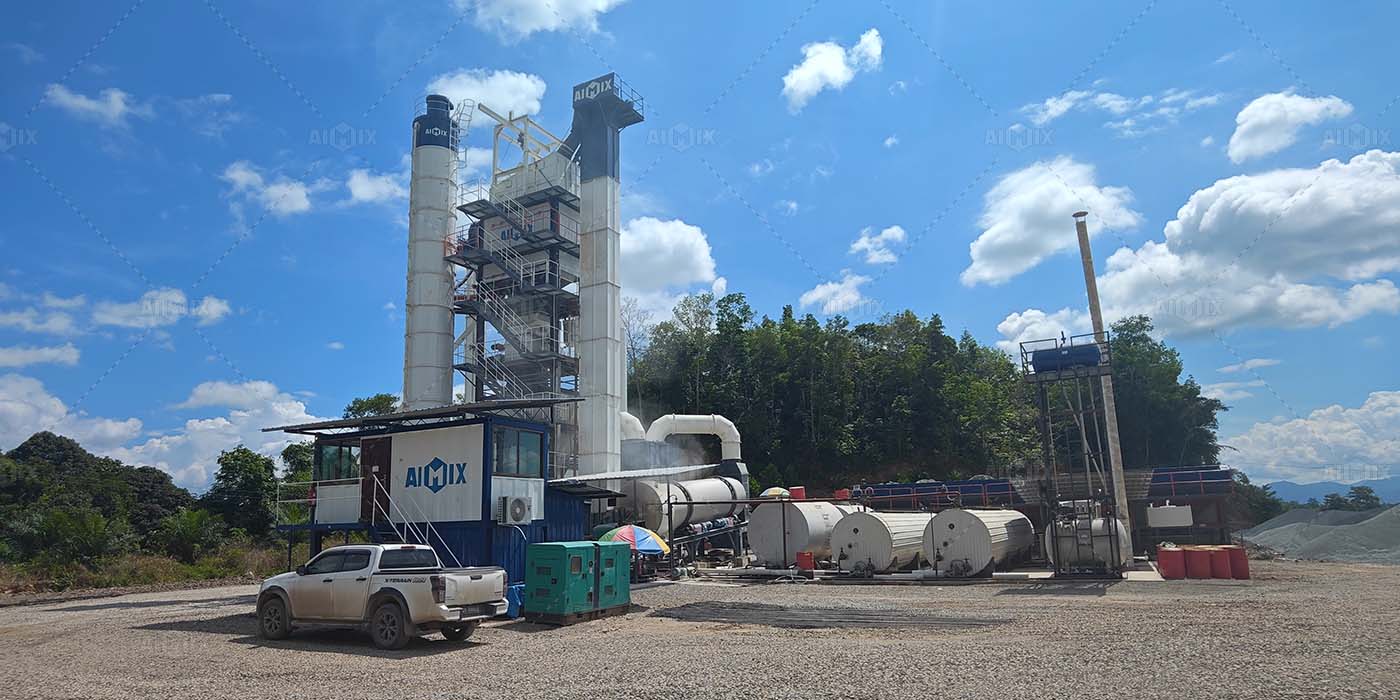
For Kazakhstan modernization projects, asphalt mixture quality is a major concern. This is why many professional contractors prefer batch type asphalt plants.
Unlike continuous production systems, batch plants produce asphalt in controlled batches. Each batch follows precise weighing and mixing procedures. As a result, contractors can adjust asphalt formulas according to different road requirements.
Furthermore, batch plants provide better control over aggregate proportions, mineral filler, and asphalt content. This advantage helps meet strict road construction standards and improve pavement performance.
For projects requiring different asphalt grades, a 120 TPH batch plant offers the flexibility needed for professional construction operations.
Purchasing suitable equipment is only the beginning. Proper planning and operation determine whether the asphalt plant can deliver maximum value.
The plant location should reduce transportation distance between asphalt production and paving areas. Shorter delivery routes help maintain asphalt temperature and improve construction efficiency.
Stable aggregate supply ensures continuous production. Contractors should prepare sufficient material storage before large-scale paving begins.
Routine maintenance helps prevent unexpected downtime. Checking burners, mixers, conveyors, filters, and electrical systems regularly improves equipment reliability.
Professional installation, commissioning, operator training, and spare parts support can significantly improve plant performance. Especially in remote areas of Kazakhstan, reliable technical service reduces operational risks.
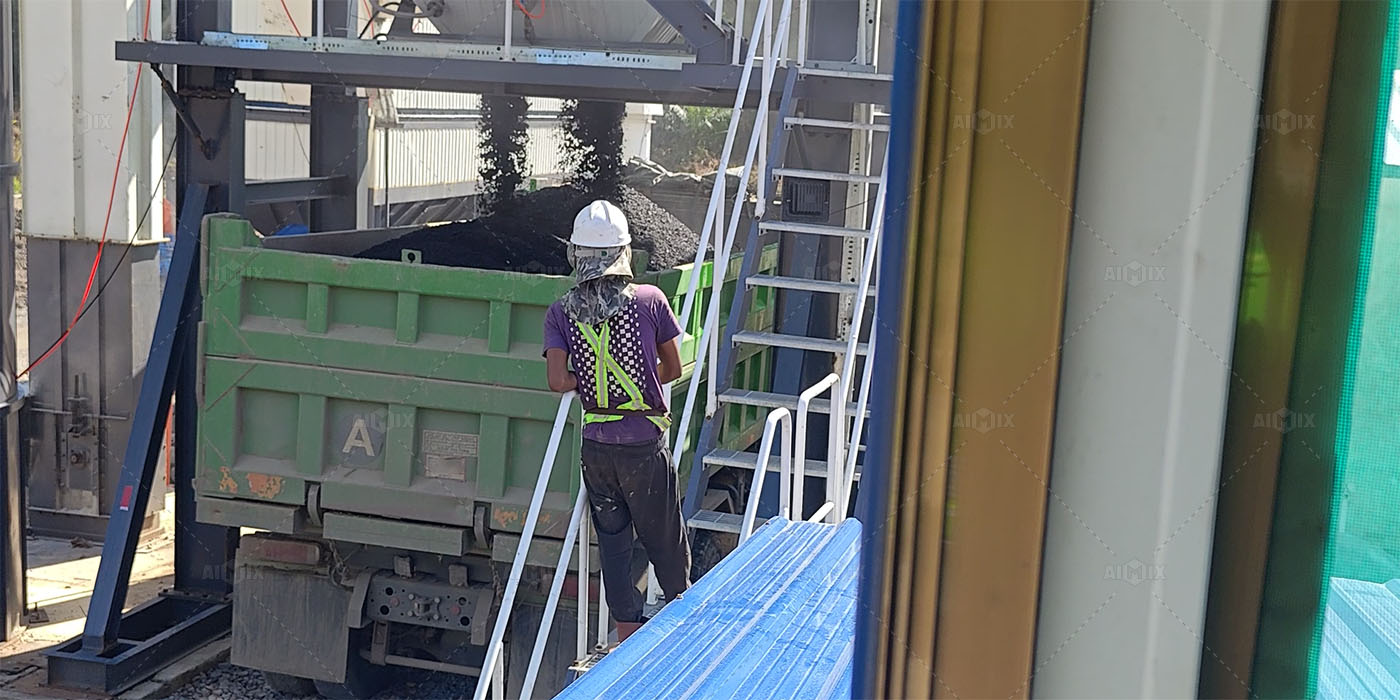
A 120 TPH asphalt batch plant is a suitable solution for many road modernization projects in Kazakhstan, including urban road upgrades, regional highway improvements, industrial roads, and infrastructure development projects.
Its production capacity provides a strong balance between efficiency and flexibility. It can support contractors who need stable asphalt supply, accurate mixture control, and reliable operation under challenging climate conditions.
However, the best equipment choice depends on project requirements. Contractors should evaluate asphalt demand, construction schedule, material conditions, and future development plans before making a decision.
Successful road modernization requires more than construction equipment. It requires a complete solution that supports quality, productivity, and long-term project success.
If you are planning a road upgrading project in Kazakhstan and need a reliable 120 TPH amp hotmix solution, professional technical guidance can help you select the right configuration. Contact our team to discuss your project requirements, production goals, and customized asphalt plant options.

